

AI technology is transforming the way you manage your real estate properties, especially in tenant discovery and retention. By employing AI leasing agents, you can streamline the process of finding suitable tenants while enhancing the overall tenant experience. These intelligent systems analyze data and preferences to match tenants with properties efficiently, reducing vacancies and improving satisfaction. Discover how implementing AI in your leasing strategy can save you time and resources, allowing you to focus on growing your real estate portfolio.
Key Takeaways:
- AI leasing agents automate tenant discovery, improving efficiency in matching potential tenants with available properties.
- Enhanced data analytics capabilities enable AI to predict tenant preferences and behaviors, aiding retention strategies.
- Integration of AI tools simplifies communication, leading to a more streamlined application and leasing process for both landlords and tenants.
Understanding AI Leasing Agents
AI leasing agents represent a transformative approach in the real estate sector, utilizing machine learning and data analytics to enhance tenant engagement and streamline leasing processes. These sophisticated tools analyze vast amounts of data to predict tenant preferences and automate various tasks such as property matching, communication, and follow-ups, significantly improving overall efficiency.
Definition and Scope
An AI leasing agent is a software solution designed to interact with potential tenants through chatbots or virtual assistants, providing property information, answering inquiries, and managing the leasing process. This technology operates across various platforms, including websites and mobile applications, ensuring accessibility and convenience for both landlords and tenants.
Benefits for Real Estate Management
Integrating AI leasing agents into your real estate management can lead to enhanced operational efficiency, reduced costs, and improved tenant satisfaction. By automating routine tasks, you free your team to focus on higher-value activities, ultimately fostering stronger tenant relationships and increasing retention rates.
Consider a real estate firm that implemented AI leasing agents and reported a 30% reduction in time spent on tenant inquiries. This allowed agents to engage more meaningfully with prospective tenants, offering personalized experiences that traditional methods often lack. Additionally, AI agents can analyze tenant data to identify patterns and preferences, enabling you to tailor offerings that better meet market demands, leading to increased occupancy rates and tenant loyalty.
Tenant Discovery Process
Your approach to tenant discovery can be transformed with AI leasing agents, which leverage advanced algorithms to sift through vast amounts of data. These agents analyze tenant preferences, history, and behaviors to identify potential matches with available properties. This streamlined process not only saves time but also increases the likelihood of finding tenants who will stay longer and appreciate your offerings.
AI Algorithms for Matching Tenants
With AI algorithms, tenant matching becomes a data-driven endeavor. These systems evaluate numerous factors such as rental history, income level, and lifestyle choices, allowing you to discover tenants who best align with your property’s features. By providing insights into tenant preferences, AI helps you make informed decisions to increase occupancy rates.
Enhancing Property Visibility
AI technologies significantly enhance the visibility of your properties, enabling you to reach the right audience effectively. Automated marketing campaigns can target demographics that match your ideal tenant profiles, resulting in increased inquiries and interest in your listings.
When you utilize AI for enhancing property visibility, targeted campaigns become more efficient. For example, data analytics can determine the best platforms to showcase your properties, whether it’s social media or real estate websites. By using geolocation and demographic insights, AI can tailor advertisements that resonate with potential tenants, ensuring your properties are seen by those most likely to inquire or lease. This approach can lead to quicker occupancy and reduced vacancy rates, giving you a competitive edge in the real estate market.
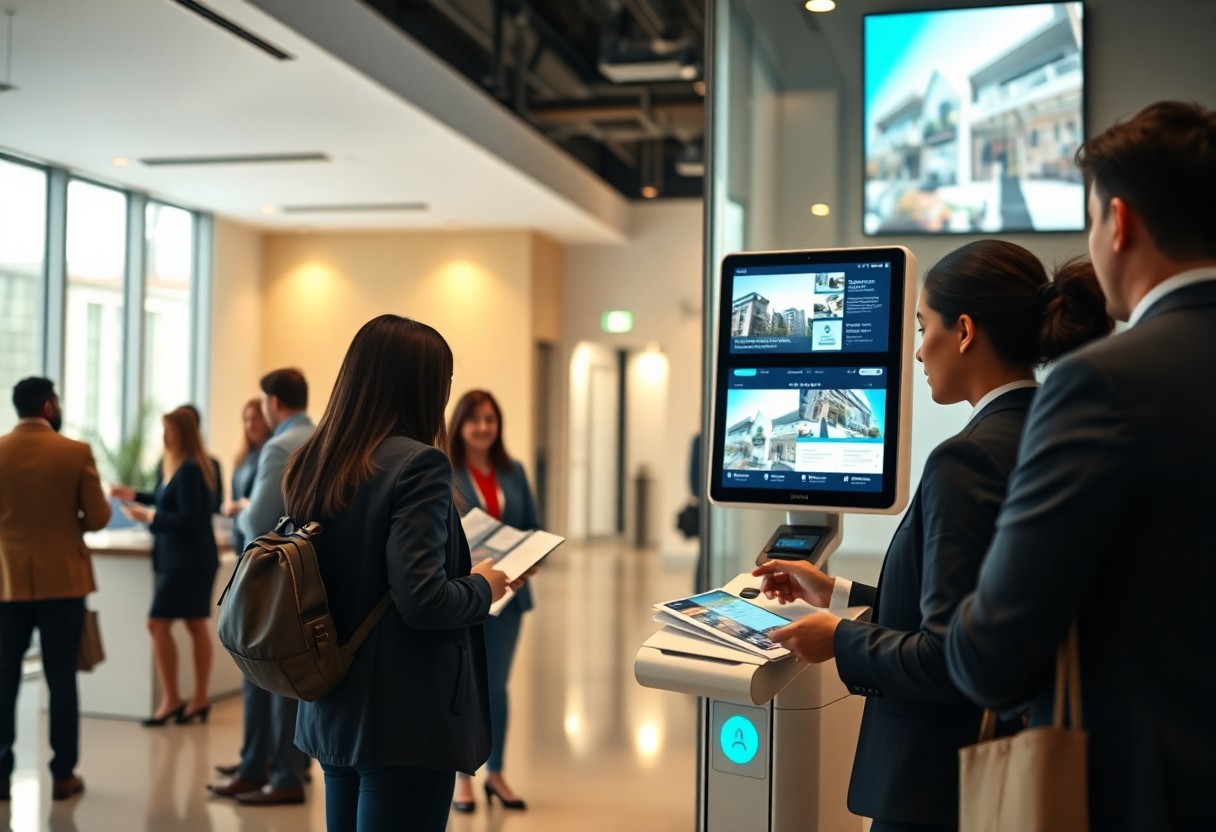

Streamlining Tenant Retention
Effective tenant retention strategies are imperative for maintaining occupancy rates and maximizing revenue. By leveraging AI leasing agents, you can create a seamless communication experience, ensuring your tenants feel valued and supported throughout their stay. These innovations not only reduce turnover but also enhance tenant satisfaction, fostering long-term relationships between you and your renters.
Personalized Communication Strategies
Utilizing AI for personalized communication can dramatically improve tenant engagement. Tailored messages based on tenant preferences and behavior can enhance their experience, leading to increased loyalty. For example, automated reminders for lease renewals or maintenance requests cater specifically to individual needs, ensuring that your tenants feel prioritized and heard.
Predictive Analytics for Tenant Satisfaction
Predictive analytics plays a vital role in understanding tenant satisfaction. By analyzing data trends, you can anticipate issues and address them proactively, improving overall tenant happiness. This data-driven approach allows you to identify patterns in tenant behavior and preferences, leading to a more responsive leasing strategy.
For instance, a property management company utilizing predictive analytics might discover that tenants who receive regular maintenance updates report higher satisfaction levels. By implementing follow-up surveys post-maintenance or tracking common service requests, you’ll be equipped to enhance service offerings, resolve issues before they escalate, and nurture tenant relationships. Through such measures, you not only retain tenants but also cultivate a sense of community, making your properties more desirable overall.
Case Studies
Data-driven case studies highlight the tangible benefits of AI leasing agents in real estate, showcasing their effectiveness in tenant discovery and retention.
- Property Management Company A reduced vacancy rates by 35% within six months of implementing an AI leasing agent.
- Residential Complex B experienced a 50% decrease in tenant onboarding time, from an average of 30 days to just 15 days.
- Commercial Realty C improved tenant retention by 40% by utilizing AI to personalize communication and follow-ups.
- Multi-family Unit D saw a 20% increase in lease renewals thanks to insights derived from AI analytics on tenant satisfaction.
Successful Implementations
Successful implementations of AI leasing agents demonstrate significant enhancements in operational efficiency and tenant engagement. Property Management Company A’s integration led to a 30% reduction in administrative tasks, enabling your team to focus on personalized tenant interactions and maintenance issues.
Challenges and Solutions
Many firms encounter hurdles when adopting AI leasing agents, including data integration and skepticism from staff. Overcoming these challenges often involves robust training sessions and pilot programs to familiarize your team with new technologies and processes.
Challenges such as resistance to change and initial integration issues require thoughtful solutions. You might find implementing a phased rollout beneficial, allowing your team to gradually adapt while minimizing service disruption. Providing comprehensive training and support can ease concerns and highlight the advantages of AI in streamlining operations. Engaging all stakeholders early ensures a smoother adoption process and fosters a culture open to technological advancements.
Future Trends in AI for Real Estate
Evolution of AI Technologies
The evolution of AI technologies is driving unprecedented changes in real estate management. From advanced machine learning algorithms that predict tenant behavior to natural language processing systems that enhance communication, these innovations allow you to personalize tenant interactions and streamline processes. Companies are increasingly investing in AI to provide hyper-targeted marketing and sophisticated data analytics, enabling you to make informed decisions that elicit positive tenant experiences.
Potential Market Impact
The potential market impact of AI in real estate is substantial, as it fundamentally alters how properties are managed and marketed. By automating routine tasks, you can reduce operational costs by up to 30%, allowing your team to focus on strategic initiatives that enhance tenant satisfaction and retention. Enhanced data insights can lead to improved targeting, increasing occupancy rates while optimizing rental prices based on market fluctuations and tenant demand.
Moreover, as AI systems evolve, the integration of augmented reality for virtual property tours and AI-driven chatbots for 24/7 tenant engagement will become commonplace. This shift can facilitate faster lease signings and create a more immersive property viewing experience, leading to quicker tenant onboarding. Ultimately, embracing these advancements allows you to differentiate your offerings in a competitive market, ensuring sustained occupancy and increased profitability.
Ethical Considerations
Ethical considerations are paramount when implementing AI leasing agents in real estate. As these technologies revolutionize tenant discovery and retention, they raise important questions about data practices and fairness in tenant selection. Addressing these concerns is imperative to ensure that the advantages of AI are realized without compromising ethical standards or tenant rights.
Data Privacy and Security
Data privacy and security must be a priority in AI leasing operations. With vast amounts of personal information collected from potential tenants, ensuring that this data is safeguarded against breaches is critical. You should implement robust encryption and comply with regulations like GDPR to protect tenant data while maintaining transparency about how this information is used.
Fairness in Tenant Selection
Fairness in tenant selection directly impacts your reputation and fosters trust in your AI leasing processes. AI algorithms should be designed to mitigate bias, ensuring all applicants are evaluated based on objective criteria rather than demographic assumptions. This approach not only promotes inclusivity but also aligns with the ethical standards that tenants expect from real estate practices.
To further enhance fairness in tenant selection, you can regularly audit AI systems for bias and adjust algorithms based on findings. Consider employing diverse datasets that reflect various populations while training AI models. Implementing human oversight in final decisions can also help catch potential injustices in automated assessments. This dual approach builds a trustworthy environment where all applicants feel valued, improving tenant satisfaction and retention in the long run.
Summing up
Ultimately, utilizing AI leasing agents transforms your approach to tenant discovery and retention by enhancing efficiency and personalization. These intelligent systems allow you to quickly identify potential tenants and maintain strong relationships with current ones, ensuring satisfaction and reducing turnover. By integrating AI into your real estate practices, you can streamline processes, save time, and ultimately achieve better occupancy rates, positioning your property for lasting success in a competitive market.
FAQ
Q: How do AI leasing agents enhance tenant discovery in real estate?
A: AI leasing agents utilize advanced algorithms and data analysis to identify potential tenants that meet property owner criteria. They assess tenant preferences, behaviors, and demographics to match them with suitable rental properties more efficiently than traditional methods.
Q: What impact do AI leasing agents have on tenant retention rates?
A: By leveraging predictive analytics, AI leasing agents can anticipate tenant needs and preferences, allowing property managers to offer personalized services and amenities. This proactive approach fosters stronger relationships, leading to higher tenant satisfaction and retention rates.
Q: Are there any drawbacks to using AI leasing agents in real estate?
A: While AI leasing agents provide numerous benefits, potential drawbacks include reliance on technology that may overlook nuances in tenant interactions. Additionally, there may be concerns regarding privacy and data security when handling personal information during the tenant screening process.


