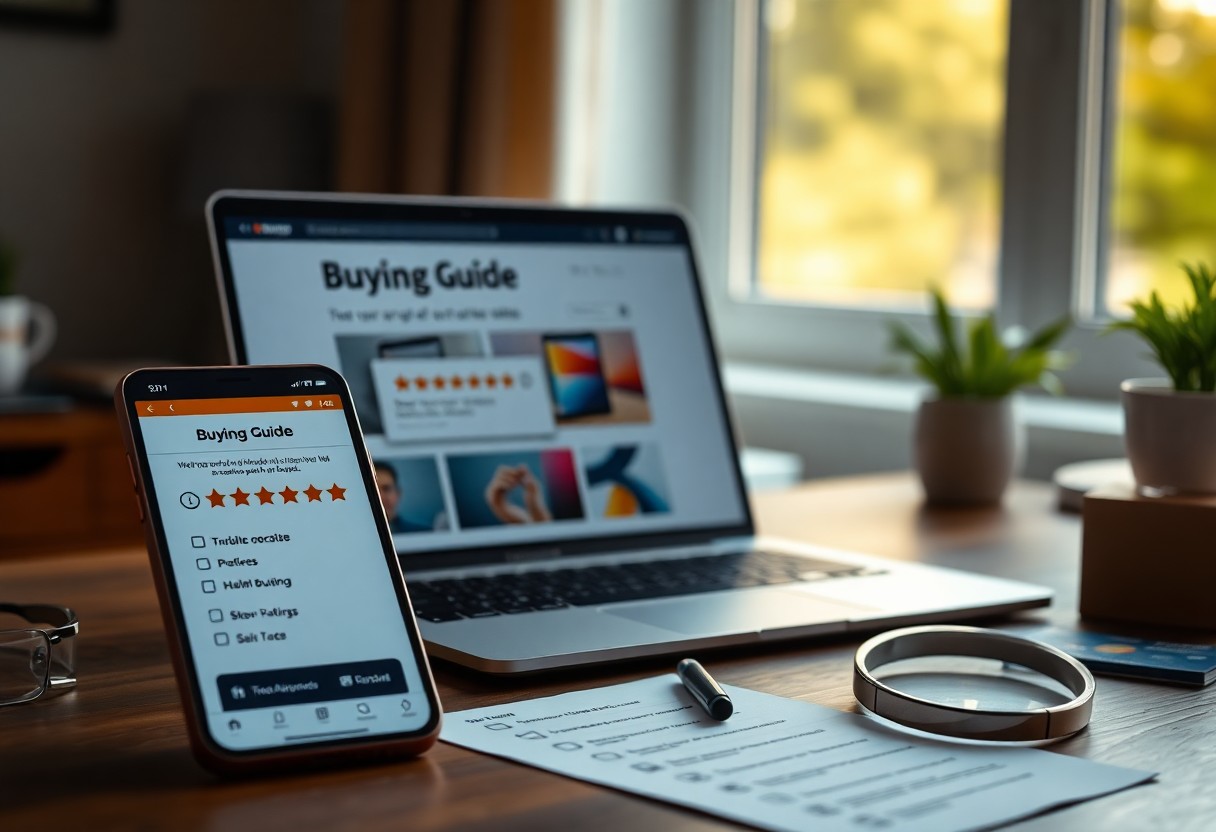
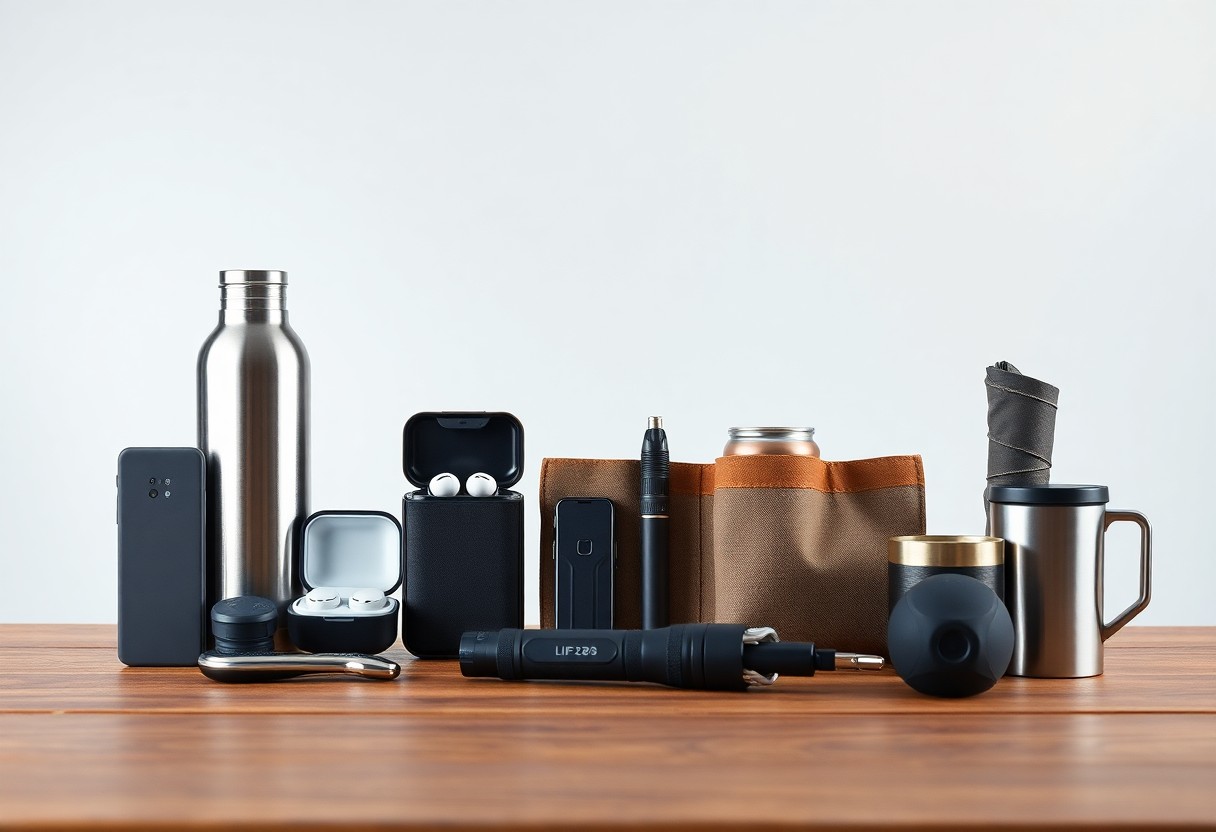
Many buyers trust bestseller lists and verified reviews; you can analyze ratings, price history, and seller reliability to identify top Amazon products worth buying this year.
Utilizing Amazon’s Native Discovery Tools
You can use Amazon’s built-in discovery features-search filters, related items, and on-site recommendations-to spot top candidates quickly. Check review volume, average rating, and Prime eligibility to shortlist items that match your needs and budget.
Monitoring Real-Time Trending Categories
Monitor trending categories to catch emerging products early by filtering time frames and subcategories. Use on-site trend tags and category charts to spot patterns that match your buying priorities.
Track hourly and daily shifts in category rankings, watching SKUs that climb consistently rather than those with brief spikes. Compare ranking moves to review acceleration, rating shifts, and price trends; inspect new listings, promotional badges, and sponsored placements to judge organic interest. Pair these signals with quick price-history checks so you decide whether the momentum makes a product worth buying now.
Essential Factors for Evaluating Product Worth
Checklist: focus on ratings, verified reviews, seller credibility, warranty coverage, and return policy before buying. Any item you pick should align with your needs and pass these quick checks.
- Ratings and verified reviews
- Seller reliability and return policy
- Warranty and support
- Price compared to features
Assessing Build Quality and Material Standards
Inspect product materials, assembly, and finish closely; compare listed specs with user photos and comments so you can judge durability and expected lifespan.
Analyzing the Price-to-Performance Ratio
Compare advertised features, benchmark results, and user experience against the price so you can decide if the product delivers true value versus alternatives.
Evaluate component quality, real-world benchmarks, and long-term costs when judging price-to-performance; check CPU/GPU scores, battery life, or durability tests, then weigh warranty, expected lifespan, and resale value so you can assess total cost against what you actually get.
How to Verify Review Authenticity
You can spot fake reviews by scanning rating distribution, repeated phrases, reviewer histories, and timing spikes; prioritize specific reviews with photos or detailed pros and cons to judge authenticity.
Distinguishing Between Verified and Unverified Feedback
Check the “Verified Purchase” tag and review the poster’s purchase history; unverified feedback may still be useful but requires closer inspection of detail, language, and consistency before you trust it.
Utilizing External Analysis Tools for Review Integrity
Use tools like Fakespot or ReviewMeta to analyze ASINs, flag suspicious reviewers, and provide adjusted ratings so you can assess overall review reliability faster.
Inspect tool outputs by entering the product ASIN, comparing grades and percentage of unreliable reviews, and reading why reviews were flagged; also cross-check flagged reviewers, timing clusters, and language similarity, then confirm findings with manual checks of detailed verified reviews and user-uploaded images before deciding.
Tips for Tracking Seasonal Price Fluctuations
Track seasonal swings by watching category cycles, sale events, and competitor stock so you know when prices typically dip. Use price-history calendars to spot recurring low windows. Thou should set target prices and buy when those thresholds hit.
- You monitor holiday, clearance, and back-to-school cycles.
- You compare identical ASINs across sellers for sudden drops.
- You watch refurbished and open-box listings for hidden bargains.
Implementing Automated Price Drop Notifications
Automate alerts using apps or extensions so you get push or email notices when items hit your target price, letting you buy at optimal moments without constant checking.
Evaluating Historical Pricing Trends via Browser Extensions
Install extensions that chart price history so you see average, high, and low prices over time and decide the best buying windows based on patterns you trust.
Compare extension features: look for clear date ranges, daily price points, seller breakdowns, and whether they include shipping and tax in historical prices so you can assess true savings. Inspect export options and integrated alerts you can use to validate trends before you buy.
Investigating Seller Credibility and Support
Check seller responsiveness, return handling, and official support channels to gauge reliability before purchase. You should prefer sellers with clear contact info, prompt replies, consistent stock listings, and transparent shipping timelines to avoid post-purchase headaches.
Auditing Seller Feedback and Performance History
Analyze ratings, review recency, and how sellers respond to complaints; you should weigh order defect rates, canceled orders, and A-to-z claim history before trusting a high-priced buy.
Verifying Warranty Coverage and Return Policies
Confirm warranty length, who provides coverage, and any restocking fees; you should check return windows, exclusions, and whether Amazon or the seller handles repairs and refunds.
Review product pages and warranty documents closely: note whether the manufacturer or the seller issues coverage, what parts and labor are included, and the exact claim process. You should save receipts, screenshots of policy pages, and seller replies; check if refurbished items carry reduced warranties, whether return shipping is charged, and whether your credit card or Amazon’s A-to-z Guarantee can back up disputes.
Advanced Search Strategies for High-Value Items
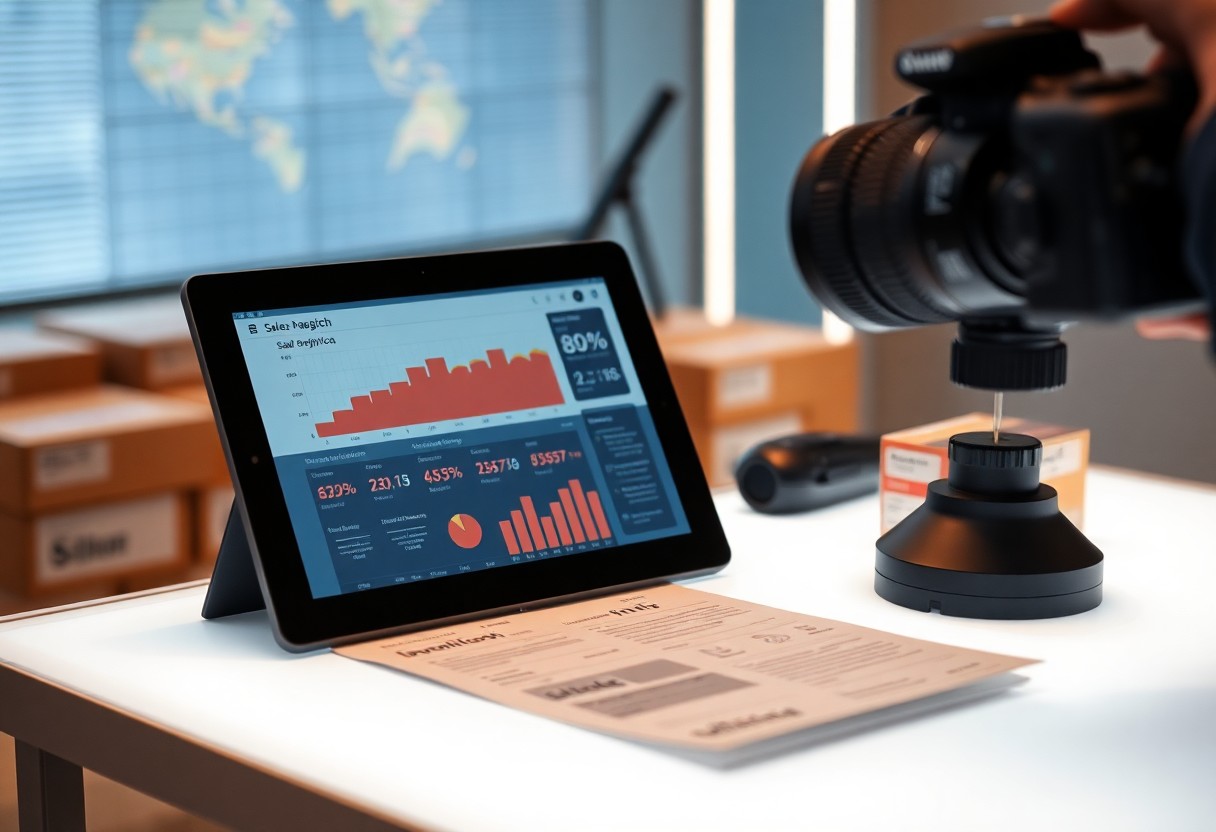
Search Amazon using sales-rank filters, verified reviews, and historical price trackers so you can pinpoint high-value listings, compare deals, and avoid inflated prices.
- Apply category and sales-rank filters
- Track price history and set alerts
- Filter by verified purchases and reviewer credibility
- Combine brand, feature, and long-tail keyword searches
Strategy Breakdown
| Strategy | Action for You |
|---|---|
| Sales-rank filtering | Focus on top-ranked items in niche categories |
| Price tracking | Use trackers to buy on confirmed dips |
| Verified reviews | Prioritize products with consistent, real-user feedback |
| Keyword combos | Search brand+feature+use-case to find gems |
Using Niche Keywords to Uncover Specialized Products
Use long-tail keywords and specific feature phrases so you can surface specialized items that generic searches miss, letting you find rare or emerging products with higher resale or utility value.
Leveraging Expert Editorial Recommendations and Awards
Check editor-picked lists and award winners to quickly identify vetted items, allowing you to rely on testing and expert consensus when choosing higher-quality purchases.
Consult multiple editorial sources-industry reviews, buyer‘s guides, and award compilations-and compare notes on testing methodology, durability, and warranty details so you can prioritize purchases that deliver proven performance and long-term value.
Conclusion
The smartest approach for you is to compare high-rated listings, filter by verified purchases and recent reviews, check seller reputation and return policies, and prioritize products with clear specifications, solid warranties, and competitive pricing to ensure worthwhile Amazon purchases this year.