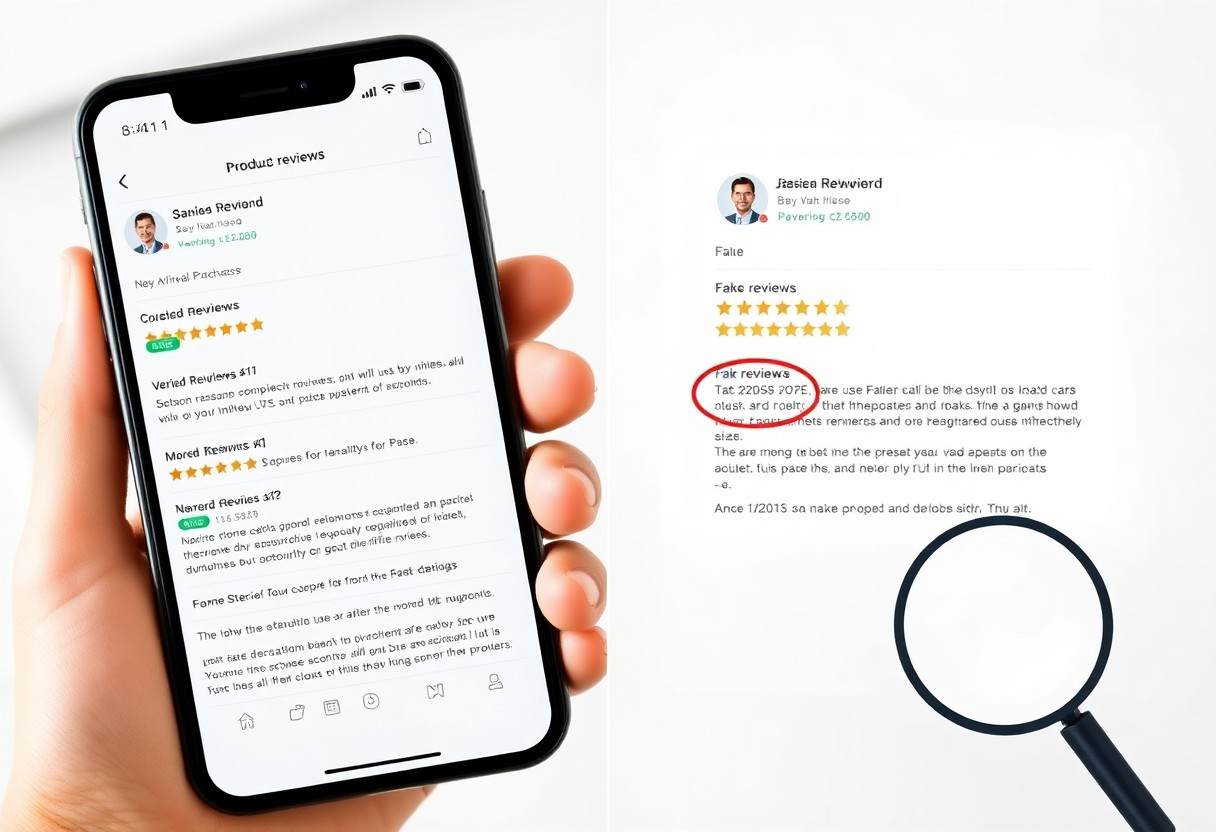
Reviews shape buying decisions in online stores. You influence customer trust and boost conversions when you write clear, honest, and specific product feedback. This guide shows you how to craft detailed reviews that highlight features, address concerns, and reflect real user experiences-helping your e-commerce brand build credibility and drive sales.
How-to research and prepare for a deep-dive analysis
Effective product reviews begin with thorough preparation. You need to understand not just what the product does, but how it fits into real-world use. Start by using the product yourself, taking notes on performance, design, and usability. This hands-on experience forms the foundation of an authentic, insightful review.
Identifying target audience pain points and expectations
You uncover what matters most by listening to customer reviews, forum discussions, and support queries. Real frustrations and desires surface in these conversations. Focus on recurring themes-slow setup, confusing interfaces, or durability concerns-so your review speaks directly to the people deciding whether to buy.
Gathering technical specifications and competitor benchmarks
You build credibility by comparing hard data across similar products. Collect specs like dimensions, materials, battery life, or processing power from official sources and verified listings. Then line them up side by side with top competitors to highlight where this product stands out or falls short.
Accurate comparisons rely on up-to-date, verified information. Visit manufacturer websites, pull data from trusted retailers, and consult third-party testing labs when available. Benchmarking against leading alternatives gives your audience clear context-helping them see not just what the product offers, but how it performs in a crowded market. This level of detail separates casual opinions from authoritative reviews that drive purchasing decisions.
Crucial factors for evaluating product performance and quality
- Build materials and construction quality
- Real-world functionality versus advertised claims
- User experience across different scenarios
- Long-term reliability and wear resistance
Perceiving a product’s true value means looking beyond surface features and testing how it performs under everyday conditions.
Assessing build materials and long-term durability
You judge longevity by examining the materials used in construction-metal versus plastic, stitching quality, or finish resilience. Pay attention to stress points like hinges, seams, or joints. A well-built product withstands regular use without degrading. Your review gains credibility when you highlight how design choices impact lifespan over weeks or months of handling.
Measuring real-world functionality against marketing claims
You test whether the product delivers on its promises during actual use, not just in controlled settings. Features may look impressive on paper but fail under routine conditions. Documenting these discrepancies builds trust with your audience.
Marketing often highlights peak performance under ideal circumstances, but your audience needs to know how the product behaves in daily life. Does the battery last through a workday? Does the app sync reliably? You uncover the truth by using the product as a real customer would-commuting, traveling, multitasking. This hands-on verification separates honest reviews from promotional content and gives shoppers the clarity they need to make confident decisions.
How-to structure your review for maximum readability
Clarity drives trust in product reviews. Break your content into scannable sections so shoppers grasp key points in seconds. Use clear headings, short paragraphs, and visual elements to guide the reader naturally from one insight to the next. Your structure should mirror the customer’s decision-making path.
Implementing the “Pros and Cons” framework for quick scanning
Speed matters when shoppers evaluate options. Presenting pros and cons in a clean format helps them absorb value and trade-offs instantly. Keep each point concise and relevant to real-world use.
| Pros | Cons |
|---|---|
| Durable build quality | Heavier than average |
| Long battery life | Limited color options |
| Intuitive interface | Premium price point |
| Excellent customer support | Slow charging speed |
| Compact design | No expandable storage |
| Strong Wi-Fi reception | Plastic casing feels cheap |
| Great sound quality | Ear tips may not fit all ears |
| Water-resistant | App integration is basic |
| Easy setup process | Manual is poorly translated |
| Energy efficient | Replacement parts hard to find |
Utilizing comparison tables for data-driven decision making
Differentiating similar products becomes effortless when specs are side by side. Shoppers compare features at a glance, making your review a trusted reference during high-consideration purchases.
| Feature | Product A vs. Product B |
|---|---|
| Price | $89 vs. $119 |
| Battery Life | 12 hrs vs. 18 hrs |
| Weight | 140g vs. 165g |
| Display Size | 6.1” vs. 6.7” |
| Water Resistance | IP67 vs. IP68 |
| Charging Type | USB-C vs. Proprietary |
| Warranty | 1 year vs. 2 years |
| App Compatibility | iOS/Android vs. iOS only |
| Accessories Included | Charger + case vs. Case only |
| Customer Rating | 4.2/5 vs. 4.6/5 |
Seeing differences laid out clearly shifts perception from opinion to evidence. Your comparison table turns subjective impressions into actionable insights. Readers trust reviews that show, not just tell, why one product outperforms another under specific conditions.
| Feature | Product A vs. Product B |
|---|---|
| Price | $89 vs. $119 |
| Battery Life | 12 hrs vs. 18 hrs |
| Weight | 140g vs. 165g |
| Display Size | 6.1” vs. 6.7” |
| Water Resistance | IP67 vs. IP68 |
| Charging Type | USB-C vs. Proprietary |
| Warranty | 1 year vs. 2 years |