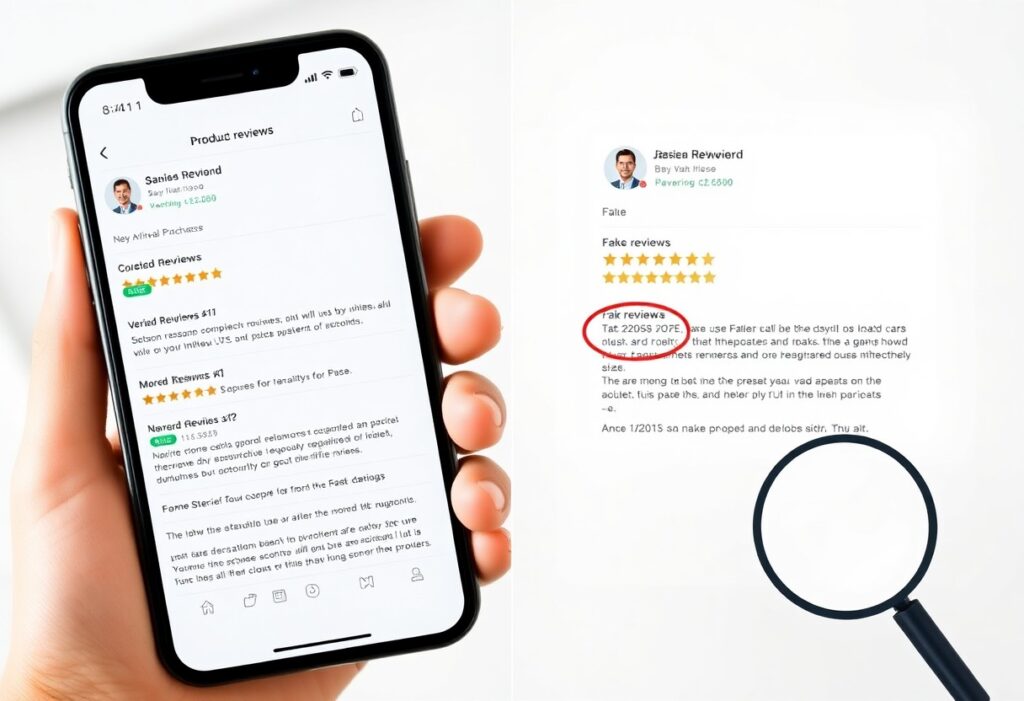
Reviews shape buying decisions, but not all feedback is trustworthy. Consumers often struggle to distinguish authentic opinions from fabricated ones. This guide shows how to analyze review patterns, identify red flags, and assess credibility using clear, observable criteria. Readers learn to focus on detail, balance, and reviewer behavior to make informed choices.
Key Takeaways:
- Check for specific details in reviews-genuine feedback often includes personal experiences, product usage scenarios, or precise pros and cons, while fake reviews tend to be vague or overly enthusiastic without substance.
- Look at the reviewer’s history-real users usually have a mix of ratings across different products, whereas fake accounts may only post five-star reviews or focus on a single brand.
- Pay attention to timing and volume-sudden spikes in positive reviews over a short period, especially shortly after a product launch, can signal coordinated fake feedback campaigns.
Identifying the Anatomy of a Genuine Review
A genuine review typically stems from a verified purchase and includes personal insights that reflect actual use. It avoids exaggerated claims and instead offers a clear, grounded perspective on the product’s performance in real-life situations.
Analyzing Specificity and Detail in User Experience
Specific details like how long the product was used, under what conditions, and how it compares to similar items signal authenticity. Vague statements such as “great product” without context often lack credibility and may hint at fabricated feedback.
Recognizing the Balanced Tone of Authentic Feedback
Real user reviews often highlight both strengths and shortcomings. A balanced tone that acknowledges what works and what doesn’t reflects honest evaluation, not promotional intent or unfounded criticism.
Authentic feedback rarely reads like pure praise or relentless criticism. Most people experience a mix of satisfaction and minor frustrations, so reviews mentioning a product’s reliable function alongside a small design flaw tend to be more trustworthy. This natural blend mirrors real-world usage and helps readers form realistic expectations.
Spotting Red Flags in Fraudulent Testimonials
Many fake reviews share common warning signs that become obvious with careful observation. Excessive praise without specific details, generic comments, and a sudden spike in five-star ratings often point to manipulation. Reviewers who never mention drawbacks or use language too polished for casual users raise suspicion. Spotting these patterns helps separate authentic experiences from orchestrated promotion.
Detecting Overly Emotional or Marketing Language
Emotionally charged phrases like “life-changing” or “miracle product” often signal inauthentic feedback. Genuine users typically describe results in balanced, realistic terms. Marketing-style wording suggests scripted input rather than personal experience. Neutral language with concrete examples carries more credibility than exaggerated claims.
Watching for Repetitive Phrasing and Templates
Identical sentence structures or repeated word combinations across multiple reviews indicate coordinated efforts. Real feedback varies in tone and structure. When several testimonials use the same uncommon phrase, it hints at a template. Consistency in wording, especially in minor details, undermines authenticity.
Templates are often reused by teams or bots posting bulk reviews. These may include matching descriptions of features, identical timelines (“after two weeks I saw results”), or the same spelling quirks. Authentic reviewers express similar outcomes in different ways. Recognizing duplicated phrasing-even subtle repetitions-exposes artificial patterns meant to simulate organic feedback.
How to Evaluate Reviewer Profiles and History
Examining a reviewer’s profile offers insight into their credibility. A balanced mix of positive, negative, and neutral reviews suggests authenticity, while accounts posting only glowing feedback on similar products raise suspicion. Reviewers with detailed histories across diverse categories are more likely to be genuine.
Checking for Verified Purchase Badges and Status
Verified purchase labels indicate the reviewer bought the item through the platform, increasing trust in their experience. While not foolproof, these badges reduce the likelihood of fabricated feedback. Reviews without verification should be weighed more cautiously, especially if they lack specific details.
Investigating Review Frequency and Geographic Patterns
Sudden spikes in reviews from accounts created around the same time may signal coordinated efforts. Reviewers concentrated in one region leaving identical phrasing or posting within minutes of each other can indicate manipulation. Natural review patterns are typically spread over time and locations.
When assessing frequency, a single user posting dozens of reviews in a single day-especially on unrelated products-warrants skepticism. Genuine consumers rarely review at such volume. Geographic clustering, such as multiple five-star reviews from the same city or IP range within hours, often points to orchestrated campaigns rather than organic customer experiences. These patterns, when combined with generic language, weaken the review’s reliability.
Key Factors in Assessing Overall Rating Distribution
Patterns in star ratings reveal more than individual comments. A natural spread typically shows a bell curve, while suspicious distributions lean toward extremes. Look for:
- Clustering of only 5-star and 1-star ratings
- Lack of middle-ground 3-star feedback
- Sudden spikes in reviews over short periods
Assume that
Understanding the “J-Shaped” vs. Natural Bell Curve
A “J-shaped” rating pattern-where most reviews are 5 stars with a spike of 1-star entries-often signals manipulation. Genuine products usually have a balanced bell curve, with most ratings in the middle. This imbalance suggests coordinated praise or retaliatory criticism.
Comparing Feedback Across Multiple E-commerce Platforms
Differences in review volume and tone across platforms can expose inconsistencies. Authentic feedback tends to remain consistent in sentiment, even if numbers vary. Below is a comparison of typical patterns:
| Platform | Typical Review Behavior |
|---|---|
| Amazon | Detailed reviews, frequent photo uploads, faster posting after delivery |
| eBay | More seller-focused comments, shorter product descriptions |
| Walmart.com | Mixed depth, often includes in-store purchase experiences |
When evaluating a product, consistency across platforms strengthens credibility. A product praised on Amazon but poorly rated on Walmart with similar volume may indicate selective promotion. Disparities in language, timing, or complaint types suggest possible filtering or suppression. Cross-referencing helps filter noise and identify authentic user sentiment.
| Indicator | What It Suggests |
|---|---|
| Uniform 5-star ratings on one site, mixed elsewhere | Potential review filtering or incentivized feedback |
| Identical phrasing across platforms | Copy-pasted or AI-generated content |
| Higher volume on lesser-known sites | Effort to inflate overall perception artificially |
Tips for Filtering and Sorting Reviews Effectively
Sorting reviews by relevance or helpfulness helps surface authentic user experiences. Filter by verified purchases to reduce exposure to suspicious content. Check for reviews with photos or detailed usage notes-they tend to be more trustworthy. Assume that
- verified purchase tags increase credibility
- reviews with photos are often more reliable
- detailed narratives reflect genuine experience
Prioritizing Mid-Range Three-Star Assessments
Neutral reviews often reveal balanced perspectives. Three-star ratings typically include honest pros and cons without emotional bias. These users are less likely to be incentivized or overly disappointed. Assume that moderate feedback offers the most realistic picture of product performance over time.
Using Date Filters to Spot Recent Bot Activity
Sudden spikes in five-star reviews over a short period can signal coordinated posting. Assume that unnatural clusters of recent feedback, especially after a product relaunch, may reflect bot-generated or incentivized content rather than organic customer opinions.
A sharp increase in reviews concentrated within a few days, particularly if they use similar language or lack detail, raises red flags. Authentic feedback usually trickles in steadily. When most recent reviews are uniformly positive and brief, it often indicates manipulation. Checking the timeline helps separate real user input from artificial inflation.
Leveraging Third-Party Verification Tools
Trusted platforms often integrate verification systems that flag authentic purchases. These tools analyze buyer behavior, review patterns, and account history to separate real feedback from suspicious entries. Shoppers benefit when they prioritize reviews marked as “verified purchase,” as these are less likely to be manipulated by outside parties.
Utilizing Browser Extensions for Sentiment Analysis
Some browser add-ons assess the emotional tone of reviews by scanning language patterns. These tools highlight overly exaggerated praise or unusual phrasing common in fake content. Users gain a clearer picture of public sentiment when they rely on extensions that objectively parse word choice and tone.
Consulting Independent Testing and Review Aggregators
Aggregators compile data from multiple sources to present balanced insights. These platforms often apply statistical models to detect anomalies in rating distributions. Consumers who consult them access a broader, more reliable view of a product’s real-world performance across diverse users.
Independent testing and review aggregators go beyond simple compilation by applying methodological filters to ensure credibility. They often exclude reviews from incentivized programs or duplicate accounts, focusing only on verified user experiences. Some, like Consumer Reports or Wirecutter, conduct their own lab tests or field trials, adding another layer of objectivity. This combination of curated data and hands-on evaluation helps users cut through marketing noise and focus on products that consistently deliver results.
To wrap up
Drawing together the key indicators of authenticity, readers can distinguish genuine product reviews by assessing language consistency, specific details, and balanced pros and cons. Real feedback often includes personal experiences and avoids exaggerated claims. Fake reviews tend to repeat phrases, lack depth, or appear in suspicious patterns. By applying these observations, third parties can make informed decisions based on trustworthy user input.
FAQ
Q: How can I tell if a product review is fake?
A: Fake reviews often use exaggerated language, such as “This is the best product ever!” without specific details. They may repeat the same phrases across multiple reviews or appear within a short time frame. Look for reviews that mention real experiences-like how long the product lasted, specific features that worked well or failed, or comparisons to similar items. Verified purchase badges can help, but they’re not foolproof. Check for one- or five-star ratings with little substance, as these are common signs of manipulation.
Q: What should I look for in a genuine product review?
A: Real reviews usually include personal details, like how the product fits into daily life, minor flaws noticed over time, or unexpected benefits. A trustworthy reviewer might say, “I’ve used this blender every morning for three weeks, and the lid still feels loose,” or “It arrived faster than expected, but the instructions were unclear.” These specifics suggest actual use. Photos uploaded by customers, especially ones showing wear or real-world use, add credibility. Reviews that balance pros and cons tend to be more reliable than those that are overly positive or negative.
Q: Are review platforms doing enough to stop fake feedback?
A: Some platforms use algorithms and report systems to flag suspicious activity, like sudden spikes in five-star ratings or reviews from accounts with no purchase history. Amazon, for example, highlights verified purchases and removes reviews that violate policies. However, fake reviews still slip through, especially on less-regulated sites. Users should not rely solely on platform filters. Reading deeper into the review section-beyond the first few highlighted ones-and sorting by “most recent” or “critical” can reveal more honest opinions. No system is perfect, so personal judgment remains key.