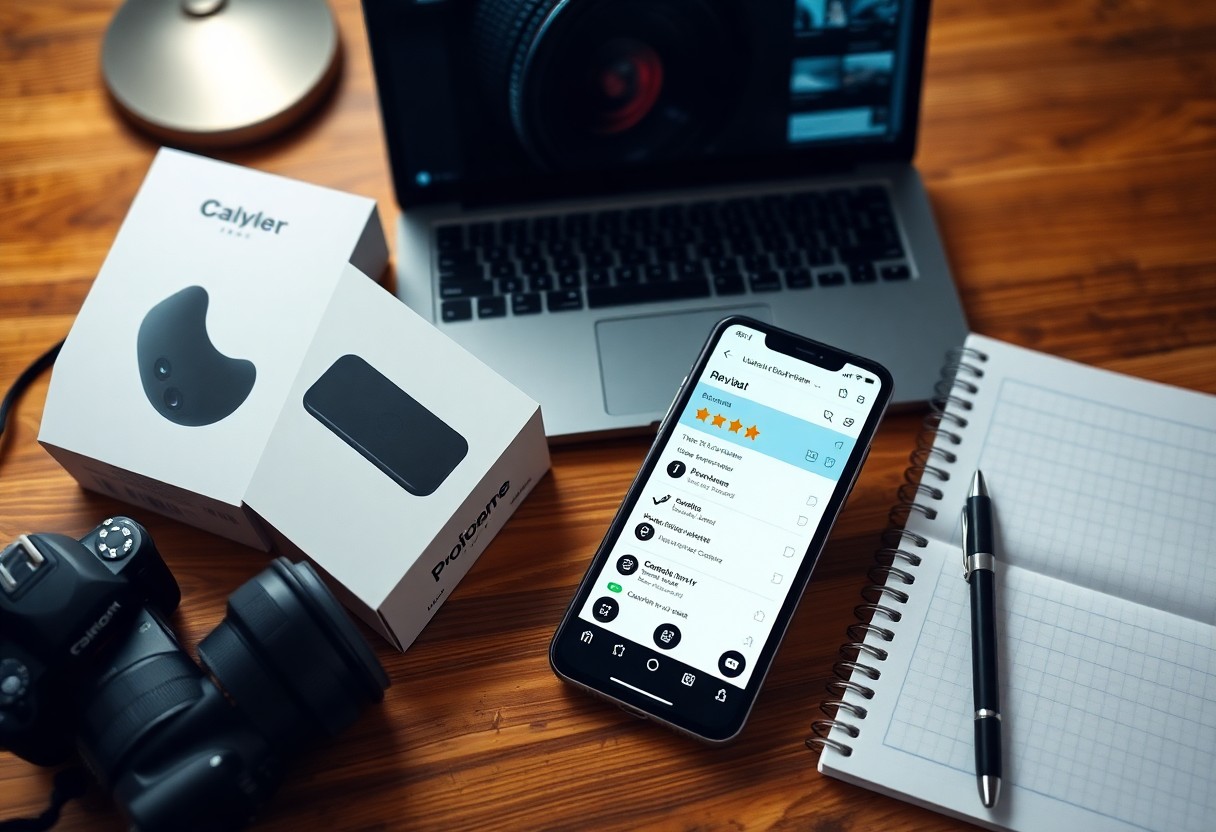

There’s a clear difference between a review that sells and one that earns lasting trust. You build credibility by sharing real experiences, highlighting both strengths and flaws, and speaking directly to your reader’s needs. Your honesty becomes your authority, turning casual readers into loyal followers who value your opinion.
Core Factors of a Trustworthy Product Review
- Authenticity in your experience
- Clear, unbiased evaluation
- Full disclosure of affiliations
- Specific examples and use cases
- Balance of pros and cons
This builds credibility with your audience over time.
Establishing Authoritative Expertise
You earn trust by showing you know the subject deeply. Share your background, experience with similar products, or time spent testing. Readers rely on your informed perspective, not just opinions. This
Maintaining Transparency and Full Disclosure
You must reveal any incentives, sponsorships, or free products received. Hiding these details damages credibility instantly. Your audience deserves to know potential influences on your opinion. This
Being open about your relationship with a brand doesn’t weaken your review-it strengthens it. When you state upfront if you were compensated or given early access, readers can weigh that information themselves. They appreciate honesty more than perfection. This
How-to Research and Test the Product Effectively
Real trust starts with firsthand experience. You need to interact with the product the way your audience would-no shortcuts. Spend enough time using it in real scenarios, noting how it performs under typical conditions. This direct engagement gives your review authenticity and credibility that speculation can’t match.
Setting Up a Controlled Testing Environment
You control the variables to isolate performance. Use consistent conditions-same settings, timing, and surroundings-so results reflect the product’s true behavior. This clarity helps you spot patterns and avoid misleading conclusions caused by external noise. Precision here strengthens your final assessment.
Documenting Real-World Performance Results
Your daily routine becomes the testing ground. Track how the product holds up during actual use-commutes, work sessions, or household tasks. Note battery life, responsiveness, comfort, or any quirks that emerge over time. These observations ground your review in reality, not just specs.
Real-world performance reveals what lab tests can’t. You notice how the product adapts-or fails to adapt-when interruptions happen, when lighting changes, or when multitasking demands more. Did the noise-canceling headphones struggle on a crowded train? Did the app crash during a video call? These moments matter. Recording them honestly shows your readers you’ve lived with the product, not just unboxed it. That lived experience is what separates trustworthy reviews from generic summaries.
Actionable Tips for Engaging Content Creation
- Start with a strong opening that speaks directly to your reader’s needs
- Use clear, conversational language to explain your experience
- Include specific examples to back your claims
- End with a clear takeaway or recommendation
After testing the product in real-life scenarios, share what stood out-both good and bad-so your audience feels confident in your judgment.
Writing Hooks that Capture Reader Attention
You’re more likely to keep reading if the first sentence feels personal and urgent. Pose a relatable problem or share a surprising result from using the product. A strong hook pulls readers in by making them feel seen, not sold to.
Using Narrative to Explain Product Utility
You don’t just buy a coffee maker-you buy the promise of calm mornings. Tell a brief story showing how the product fits into daily life. Real moments build connection faster than bullet points ever could.
Picture this: it’s 7 a.m., the kids are loud, and you’re half-awake. Then you press one button and fresh coffee starts brewing-no fuss, no delay. That moment of relief is what your readers want. By framing the product within a lived experience, you show its true value without sounding promotional. Stories like these make features feel tangible and necessary.
How-to Structure Technical Data for Readability
Presenting technical details clearly strengthens your credibility. Organize information so readers grasp key points quickly, without feeling overwhelmed by jargon or dense blocks of text. Use formatting tools to turn complex data into digestible insights that support your honest evaluation.
Utilizing Comparison Tables and Charts
Turn performance metrics into visual insights with simple tables. Readers process information faster when differences between products are laid out side by side in a clean format.
| Battery Life | Model A: 8 hrs | Model B: 12 hrs |
| Weight | Model A: 1.2 lbs | Model B: 0.9 lbs |
| Price | Model A: $249 | Model B: $299 |
Breaking Down Complex Specifications
Translate technical terms into real-world performance. Instead of listing “1080p OLED display,” explain how the screen looks in sunlight or during evening use.
When you encounter dense specs like processor speeds or sensor resolutions, connect them to actual user experiences. Tell your reader what “5GHz Wi-Fi support” means for streaming quality or how “IP68 rating” affects durability in rain. This turns abstract numbers into trustworthy, relatable insights that reflect your genuine usage.
Critical Factors for Evaluating Value and Competition
- Assess real-world performance against advertised claims
- Compare build quality and durability across similar models
- Review customer support responsiveness and warranty terms
- Check software or feature updates over time
Perceiving value means looking beyond price to what you actually gain in daily use.
Comparing Price-to-Performance Ratios
Break down how much performance you get for each dollar spent. A higher-priced product may offer better efficiency, longevity, or features that justify its cost over cheaper alternatives.
Comparing Price-to-Performance Ratios
| Product Tier | Avg. Price-to-Performance Score |
|---|---|
| Budget | 6.2/10 |
| Mid-Range | 8.1/10 |
| Premium | 7.8/10 |
Analyzing Alternatives in the Current Market
Look at what else is available within your target range. Brands often release similar models within months of each other, making timing and feature sets key differentiators.
You don’t just compare specs on paper-real differences emerge in daily use. One model might charge faster, another lasts longer on a single battery cycle. Spotting these nuances helps you judge which product truly fits the user’s needs, not just the marketing promises. Your review gains credibility when you show you’ve tested, not just listed, the options.
Conclusion
To wrap up, you build trust by sharing genuine experiences, highlighting both strengths and flaws in your product review. Use clear language, specific examples, and avoid exaggeration. Your honesty invites credibility, and readers rely on your real-world insights when making decisions. Authenticity, not perfection, shapes lasting influence.